




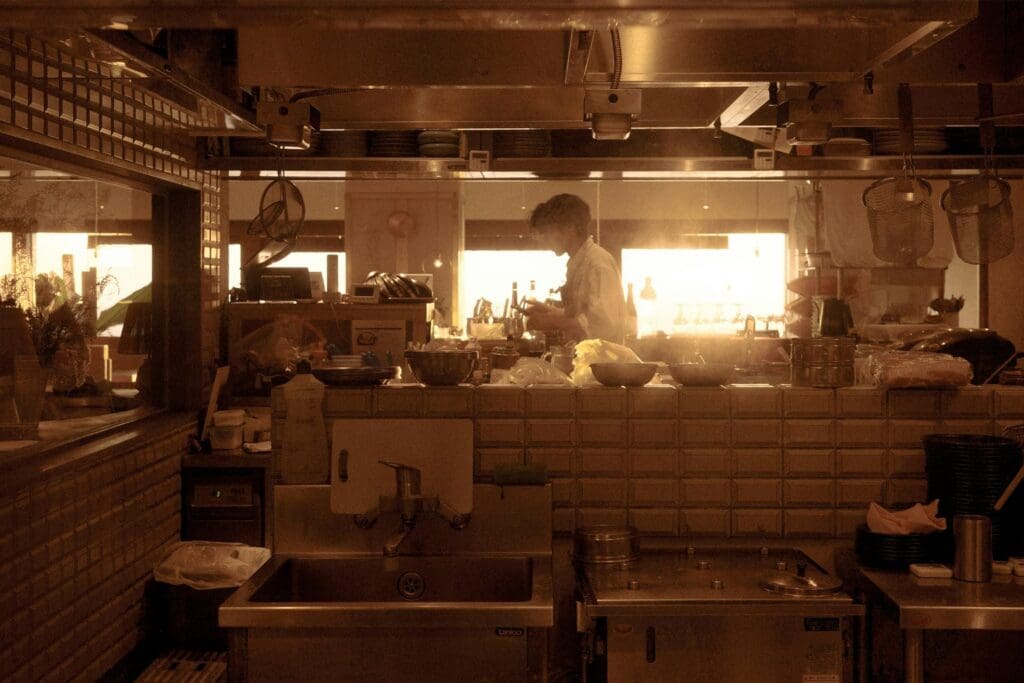
Opening a restaurant is a dream for many entrepreneurs, and while bringing those dreams to life can be exciting, it will also be expensive. So, how much does it cost to open a restaurant?
In this blog, we’ll look at the major costs of opening a restaurant and what they look like on average in 2026. Although it won’t be an exact blueprint, it will be a helpful guide as to what you can expect when starting your business.
Costs of Commercial Real Estate
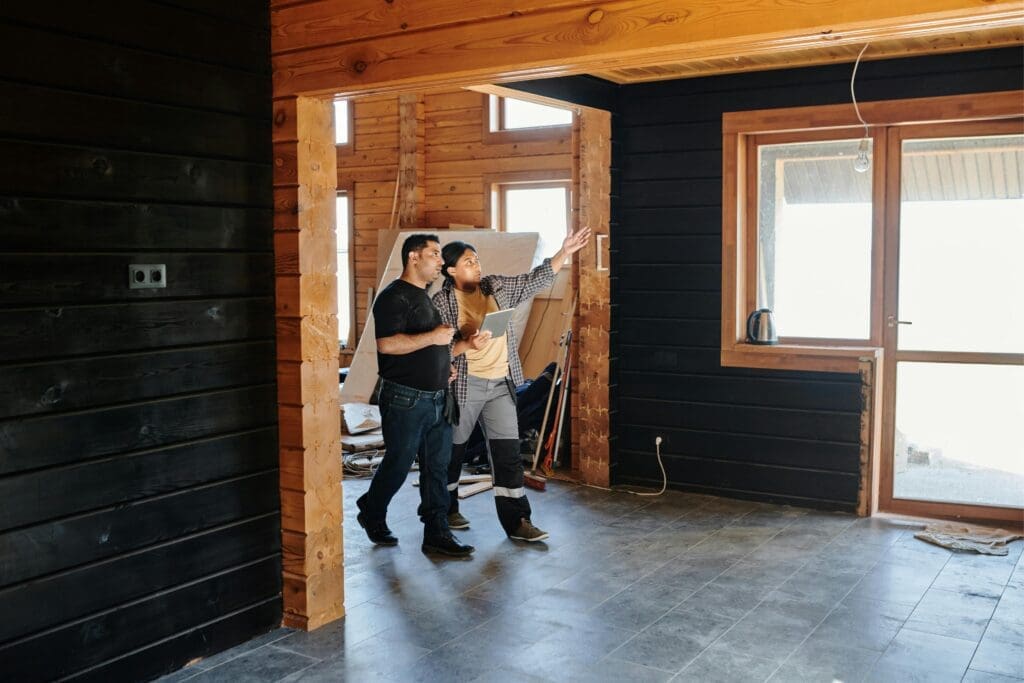
First things first, you’ll need a place to put your restaurant. This means either buying or leasing a piece of commercial real estate.
Estimating your real estate costs as a restaurant owner can be tough, simply because costs can differ significantly based on the precise location, local market, included equipment, size of the space, and a wide range of other factors. With that in mind, it can be helpful to research current commercial real estate listings as a point of comparison.
Should I Buy or Lease?
Most restaurateurs choose to lease their space simply because the upfront costs are lower. However, buying a physical business space has its perks, too. If you intend to buy a physical restaurant property, you’re looking at costs north of $1,500,000 in a smaller town or city. In a major market like Toronto, property costs can easily reach the multi-million dollar mark.
Thinking about starting your own restaurant business? Explore these related blogs for more advice!
- What Permits Are Needed to Open a Restaurant in Ontario?
- Ready to Open Your First Restaurant? Here’s Where to Start
- Ways to Reduce Operating Costs as a Restaurant Owner
Restaurant Equipment
Another major cost to budget for is equipment. This includes everything from appliances and food preparation equipment to refrigeration, freezing, storage, and everything in between. You’ll also need to set up your administrative and operational support systems, like Point of Sale (POS), internet, security cameras, and scheduling programs. Altogether, these costs can easily reach hundreds of thousands of dollars.
Dining Area Furnishings & Decor
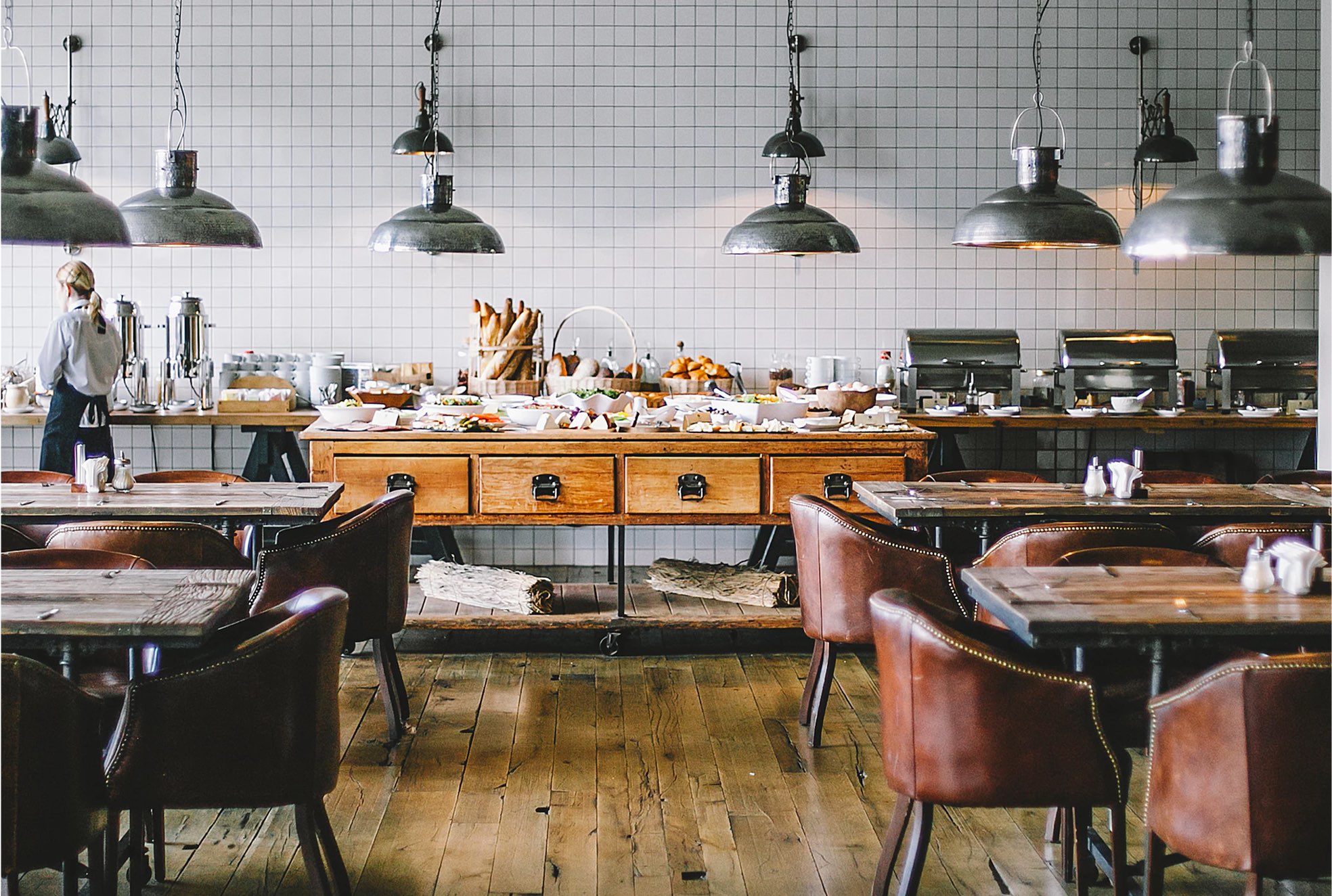
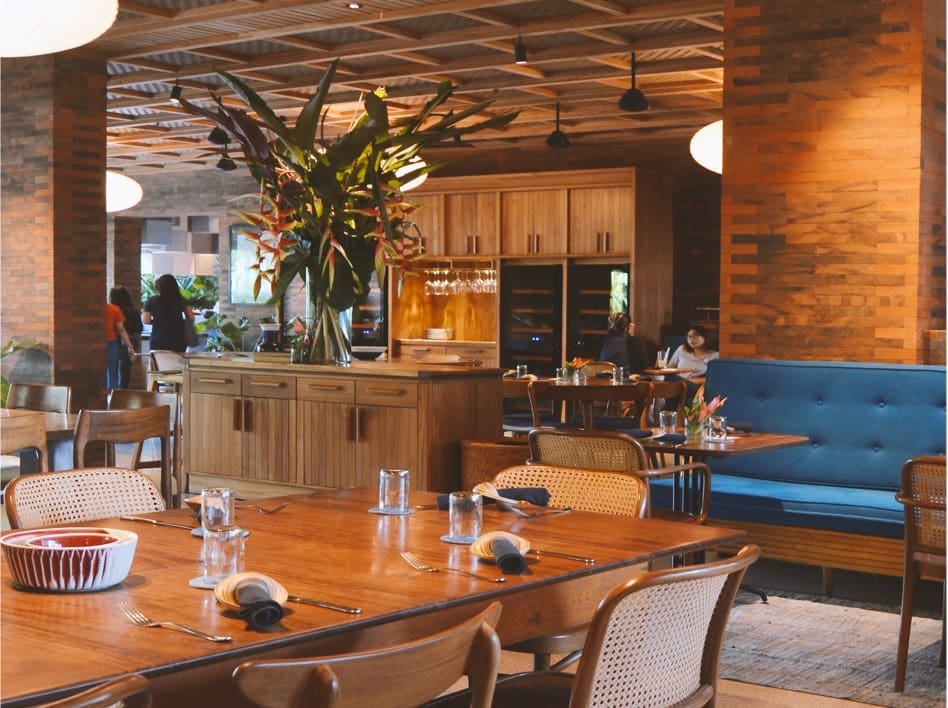
Next, you’ll need to budget for your dining room and service areas. From furnishing the space with tables, chairs, or booths, to dishware, silverware, and decor, setting up your front of house will also require precise budgeting.
Utility Costs
Finally, don’t forget to budget for utilities. Running a business requires a lot of power and energy, which comes at a cost. Utility expenses will be something you manage regularly based on usage, and they typically add up to several thousand dollars a month for your average restaurant.
How to Get a Restaurant Loan
Understanding the major costs associated with opening a restaurant is one thing, but actually paying for them is another. Regardless of whether you’re leasing or buying a restaurant space, the cost of commercial real estate can be high. Plus, you’ll also need to factor in operating costs like utility bills, product inventory, kitchen supplies, and wages for staff.
There’s no way around it; starting a restaurant is expensive. As a result, you’ll probably need some kind of financing to get your restaurant off the ground.
Securing a loan for your restaurant can be a lengthy, often involved process – even more so than getting a mortgage on a house. Not only will lenders be interested in how much capital you have at your disposal, but they’ll also scrutinize your business plans, relevant professional experience, and any investors or partners you’ll be working with.
Interested in buying an existing business? Check out these related blog posts next.
- Can You Buy a Restaurant as an Investor?
- Should You Buy a Franchise in Ontario?
- Should You Use a Residential Agent to Buy an Eatery?
What Do You Have to Put Down on a Business Loan?
One of the highest upfront costs of opening a restaurant will be your loan down payment. Unlike residential mortgages, there aren’t formal down payment minimums when it comes to getting a business loan. However, the strength of your down payment will directly impact what kind of loan you qualify for and how much the total amount will be.
When choosing a lender and loan terms, remember that interest rates aren’t everything. Low-interest loans look great on paper, but they come with rigid repayment terms that can be tough to meet when your business is just getting started.
Opening a Restaurant? We Can Help
When it comes to opening a restaurant, having a solid financial plan is essential – but it’s also just the beginning. Canada’s restaurant industry is complex, and there’s a lot that goes into launching a successful business.
With that in mind, if you’re looking to open a restaurant, you’ll want a professional expert in your corner. That’s where we come in – Carve Real Estate.
As professional specialists, we know the unique ins and outs of commercial real estate and Canada’s restaurant industry. Not only can we help you find the perfect spot to bring your dreams to fruition, but we’ll also serve as your long-term advisor on all things restaurant-related, including financing.
Ready to bring your goals to life? Carve Real Estate can help! Reach us at ryan@carverealestate.com or call 416-618-0054.